
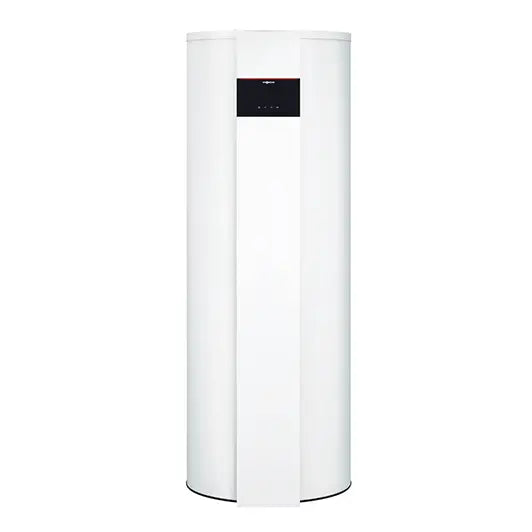
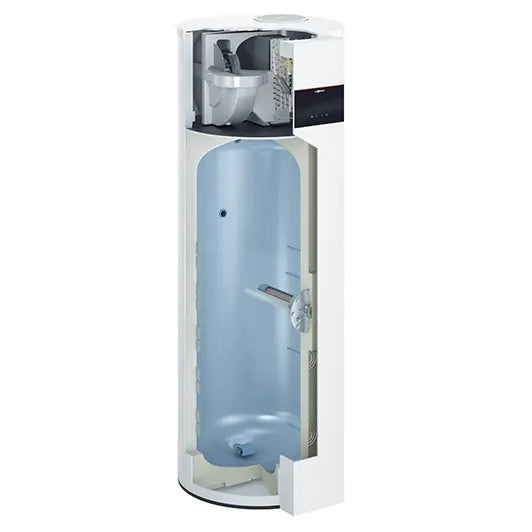
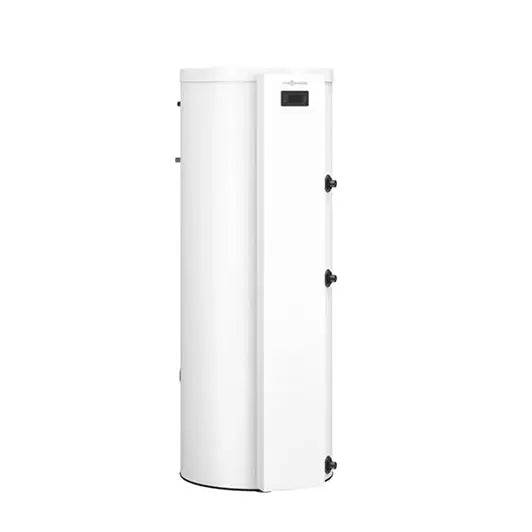
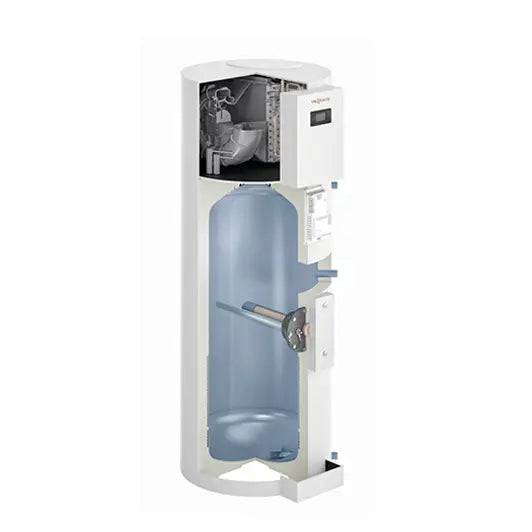







Aerothermal Systems: High-Performance Thermal Engineering
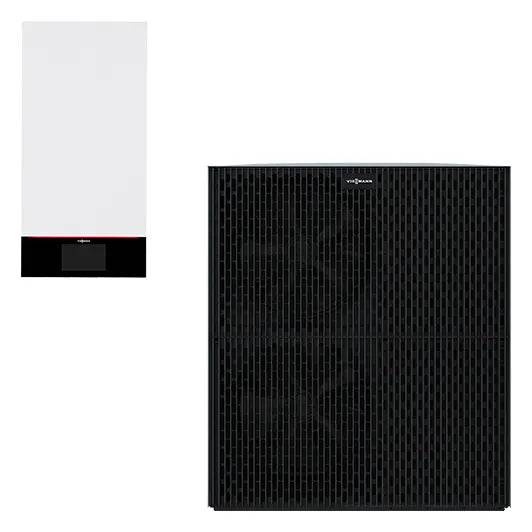
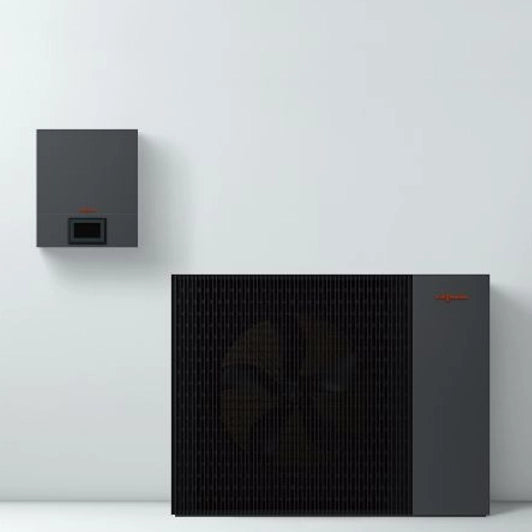
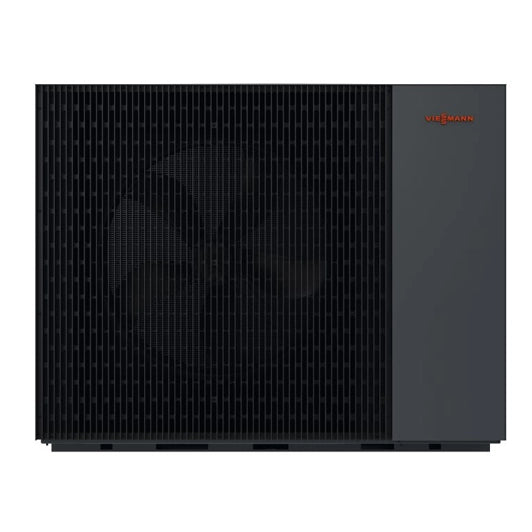
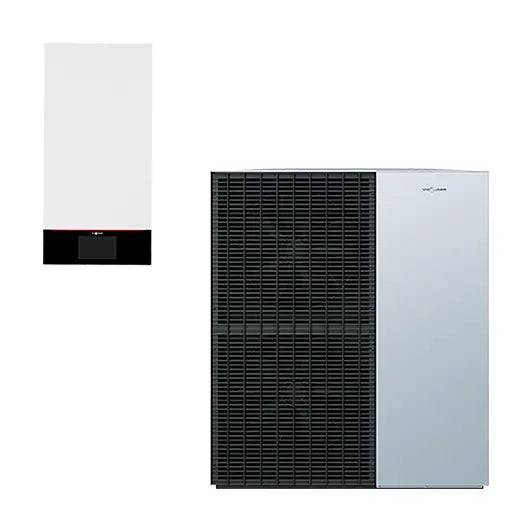
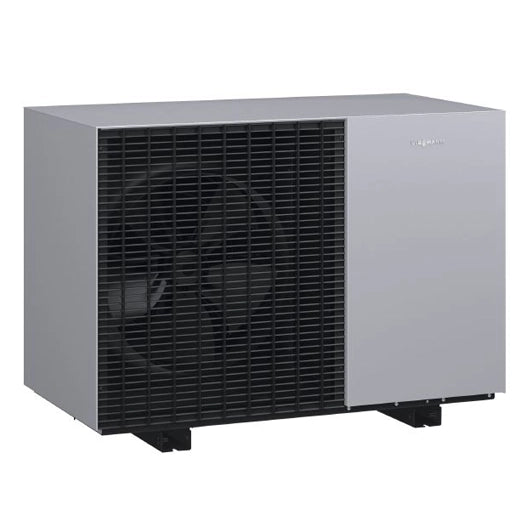
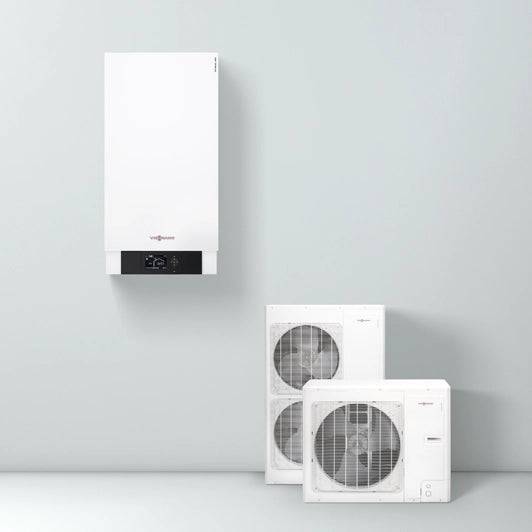
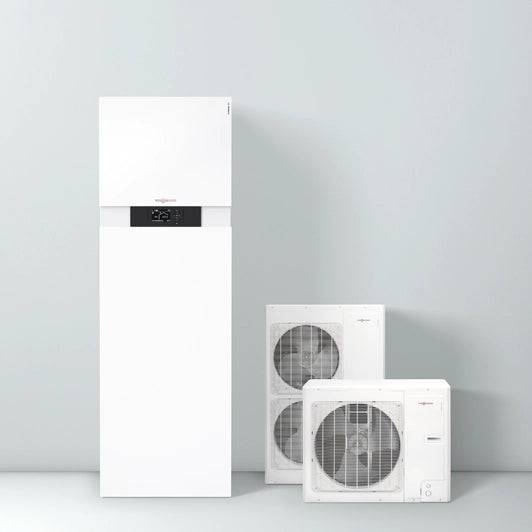
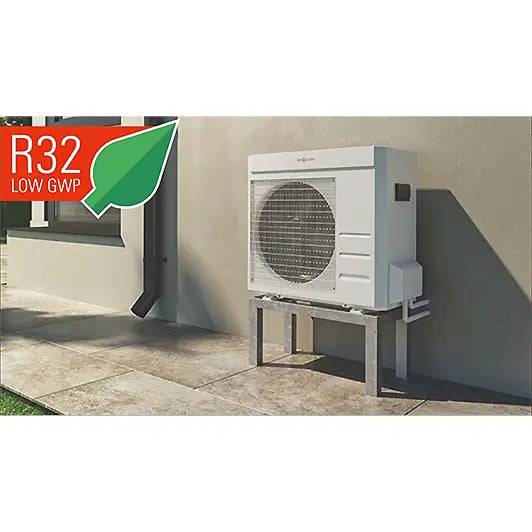
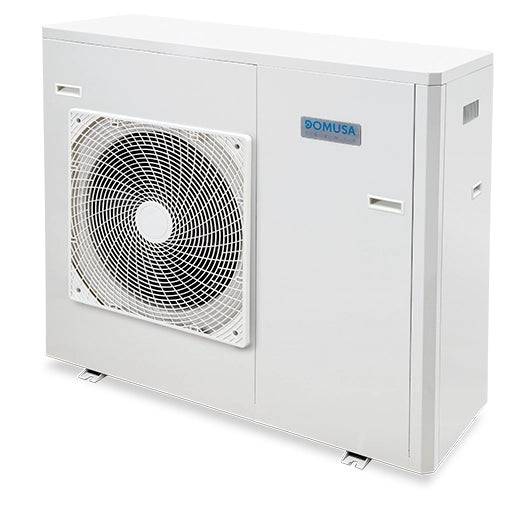
Aerothermal systems extract thermal energy from the outside air to provide heating, cooling, and domestic hot water. Operating with fossil fuel equipment multiplies maintenance costs and the risk of technical downtime. Integrating an aerothermal heating plant ensures operational continuity, eliminates local emissions, and drastically reduces electrical consumption.
Key Ranges and Solutions
We classify aerothermal equipment based on the flow temperature required for the existing or planned infrastructure.
-
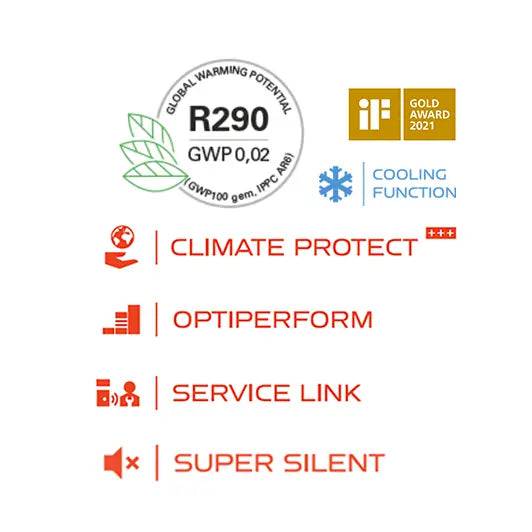
High-Temperature Aerothermal: Solves energy renovation (Retrofit) projects. It uses advanced refrigerant gases to reach a flow temperature of 70 °C. This allows for the retention of traditional wall radiators without requiring structural work.
-
Medium-Temperature Aerothermal: Optimizes new construction projects. It achieves maximum performance when working in synergy with underfloor heating circuits or low-temperature fan coils.
-
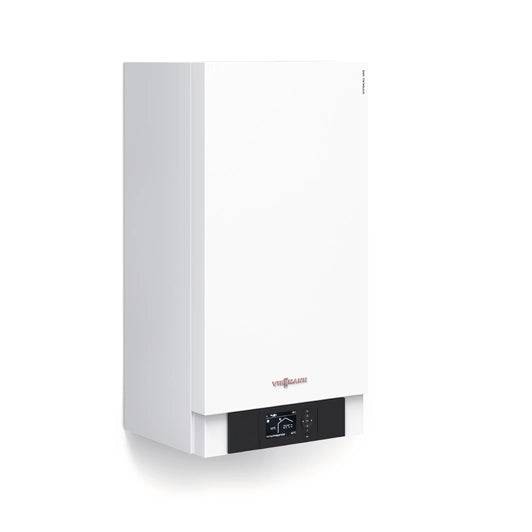
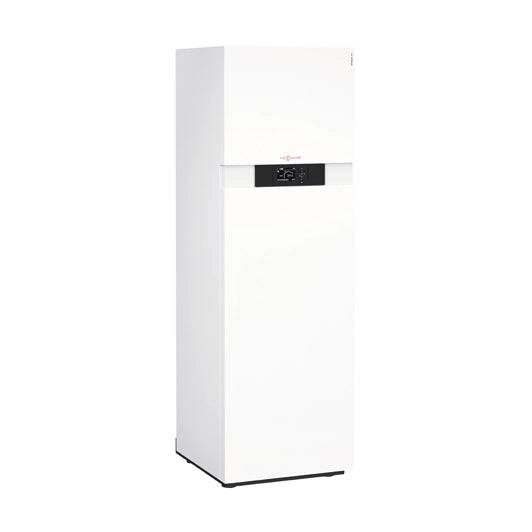
Thermal Control Platforms: Facilitate remote monitoring. They allow for algorithmic adjustment of heating curves and preventive diagnosis of circuit pressure by the support team.
Where to install and where NOT to
The operational viability of a heat pump depends on the building's thermal load. Q-Tech advises against installing aerothermal systems in infrastructure without functional thermal insulation. Deploying this technology in spaces with high energy losses forces the compressor to operate outside its nominal range continuously. This mechanical overexertion spikes electrical consumption and leads to premature failures. We require auditing and correcting the architectural envelope before sizing the thermal equipment.
Frequently Asked Questions
-
Is aerothermal compatible with conventional radiators? Yes. High-temperature aerothermal units supply water at 70 °C. This guarantees the thermal output necessary to heat infrastructure with iron or aluminum radiators without losing operational reliability.
-
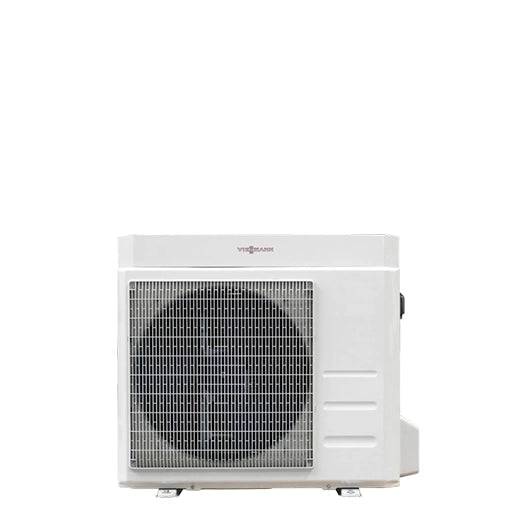
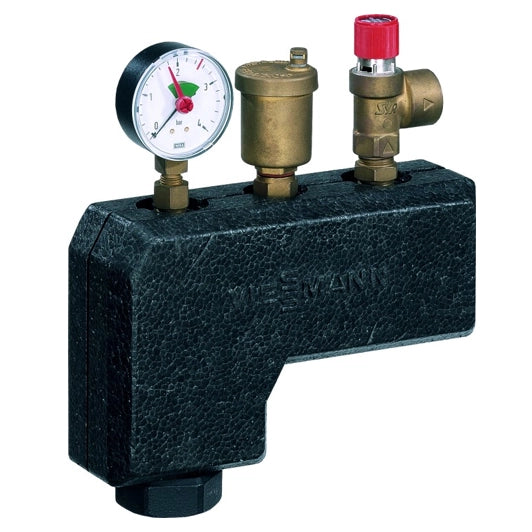
What maintenance does an aerothermal installation require? The system requires an annual mechanical inspection to clean the outdoor evaporator coil and check the closed hydraulic circuit pressure. The digital control module monitors performance in real-time to alert of any deviations.
-
Why replace a gas boiler with aerothermal? Aerothermal energy eliminates the local combustion process and associated leakage risks. It provides comprehensive climate control (cooling, heating, and sanitary water) from a single, highly efficient electrical system, reducing long-term operational costs.
Q-Tech Audit and Sizing
Critical thermal infrastructure requires an exact load calculation. Q-Tech engineers audit your current installation, size the hydraulic circuits, and execute the complete technological integration. We validate the commissioning to ensure certified performance.